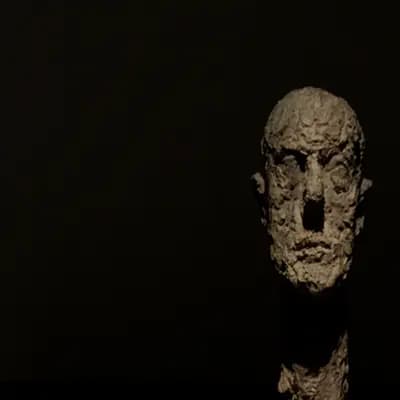
The National Art Center, Tokyo: The Giacometti Exhibition
2017-07-08T23:00
Alberto Giacometti
"That being said, I know it is impossible for me to model, paint or draw a head, for instance, as I see it, and yet it is my main purpose."
Coarse Hemp: Hita City, Oita Prefecture
2017-07-06T23:00
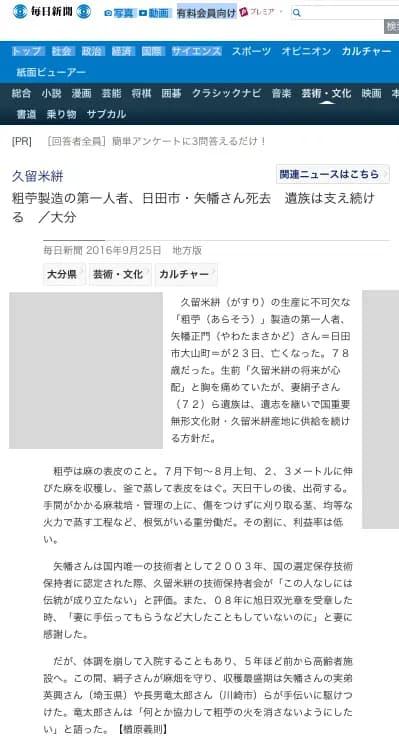
Coarse Ramie Manufacturing Technique, a selected conservation technique supporting traditional craft skills recognized by the Agency for Cultural Affairs. Record-breaking torrential rain in Kyushu. I am concerned.
I was worried about the transmission of the craft after the passing of its foremost artisan last year.
Hemp is an essential material for the dyeing process of Kurume Kasuri, but it is equally vital for lacquer. The world's oldest excavated lacquer artifact (found in Hokkaido) was made by infusing hemp fibers with lacquer.
This material and technique are indispensable for both textile dyeing and lacquer craft, so I sincerely hope they will endure.
Last year, during an exhibition at Oita Tokiwa, a resident of Takeda asked me about the possibility of planting lacquer trees there. Lacquer trees thrive in regions where apple trees flourish rather than citrus trees. The climate is quite different from Iwate, and considering Kyushu's rainy seasons, typhoons, and the frequency of underbrush clearing required, I recall giving a cautious reply. Factoring in climate change, it is truly challenging.
Search 2
2017-06-25T15:00
Google search result 2: Shitajihada Lacquer Studio.
I used to run a workshop producing studio lines. However, once I stopped using Wajima jinoko and Kyoto's grinding powder for Sabiurushi, I could no longer outsource the lacquering process. Even when I drew the blueprints and commissioned woodturners, both the craftsmen and the customers felt that wood turned on a lathe reflected the woodturner's own aesthetic form. Fleshing it out with a foundation layer was not readily accepted.
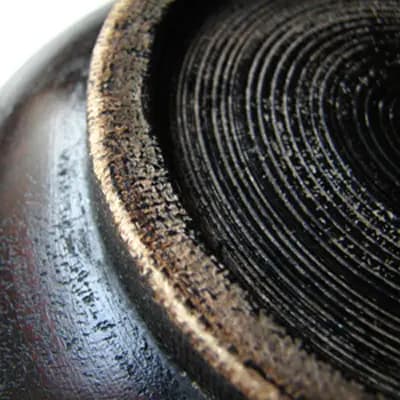
I closed my workshop in 2000 upon moving to Saitama. A bowl's foot rim (from my workshop era): The underside of the base featured in a Kateigaho article about Isaburo Kado looked similar to this. I want to make them even stronger. Independent, end-to-end production is the only true way.
Search
2017-06-17T22:00
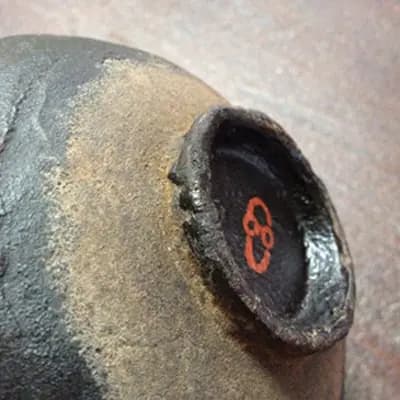
A dry lacquer bowl that I have used since around 2010.
This is the underside of the bowl.
I preserved the texture of the foundation coat so that it could be used comfortably in daily life.
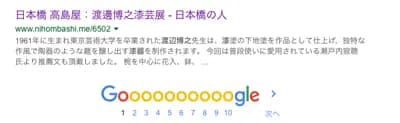
Search results on Google.
The textured base layer (Shitajihada) gradually became referred to simply as the foundation coat. Elsewhere last year, it was even described as being finished entirely as raw primer.
Quite alarming.
The dry lacquer bowl I selected for a postcard shoot at Tokyo Takashimaya in 2012 appeared in the search.
I carefully considered the raw materials and craftsmanship to ensure it would last even longer than the Nara-period begging bowl in the Shosoin Treasury collection (an Important Cultural Property) that served as my inspiration. It is finished using the same process as the foundation texture on the underside of my own dry lacquer bowl (pictured) and withstands regular use admirably.
When accompanied by a recommendation from Professor Setouchi, I feel driven to challenge myself to create work that transcends time.
Perhaps the verdict will arrive in 1,200 years.
Dining Table
2017-06-10T22:00
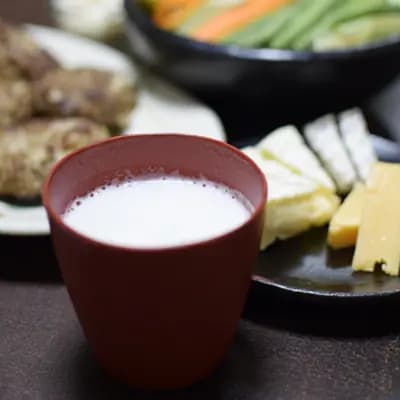
Last year's most popular dry lacquer cup.
Only one remained, so I started using it myself. I frequently enjoy wine, milk, and water from it.
The vermilion vessel brings a cheerful feeling.
Because it is lightweight and delicate, I wash it with the same gentle care I would give to glassware.
Its lightness is wonderful. Doing the dishes truly makes one appreciate the quality of lacquerware.
Years
2017-05-22T23:00
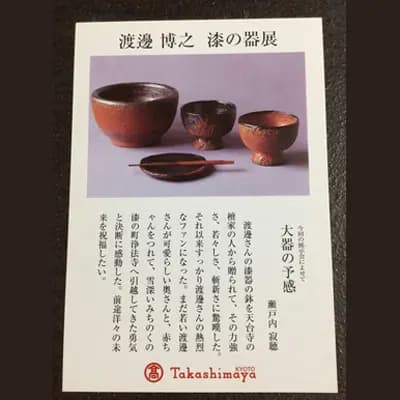
A postcard from my first solo exhibition in Kyoto back in 2000.
While still living in Joboji, I was deeply honored to receive an endorsement from Professor Setouchi, though it carried a profound sense of responsibility.
The baby from those days is now a working adult. As a father, I was delighted that my daughter helped me prepare for the exhibition. Seventeen years have passed since then. Time truly flies.
Chinese Lacquer Tree
2017-05-17T14:00
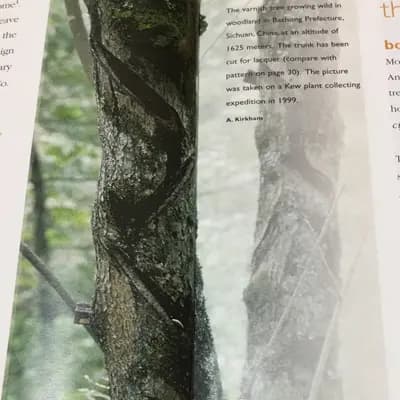
A lacquer volume from Kew Gardens. 1995: Lacquer trees in Sichuan, China.
The tree trunk is scored to allow the sap to flow down naturally. Placing a collection dish at the base gathers the sap, which clearly illustrates why the English term for harvesting lacquer is "tapping."
The bark is also rough and rugged. While it closely resembles Japanese trees, this too is a Chinese lacquer tree.
I plan to organize my thoughts on the "Theory of Japanese Origin of Urushi" and present them at the exhibition starting this October.
If only I had the notes my daughter translated into Japanese... my apologies!
My Daughter Chewed on It: Part 2
2017-03-28T09:00
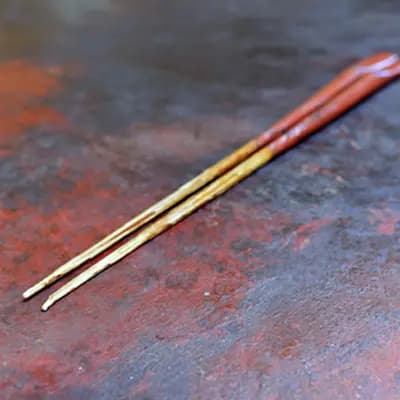
Repairing my daughter's chopsticks.
All finished.
My Daughter Chewed on It
2017-03-21T09:00
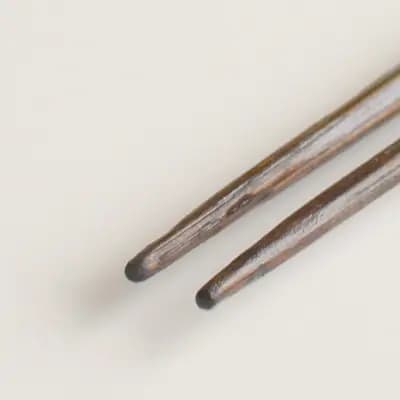
Repairing my daughter's chopsticks.
It was amusing that she continued eating with them like this for several days.
When someone uses an item with such devotion, it is a pleasure to restore it.
Bowl
2017-03-20T08:10
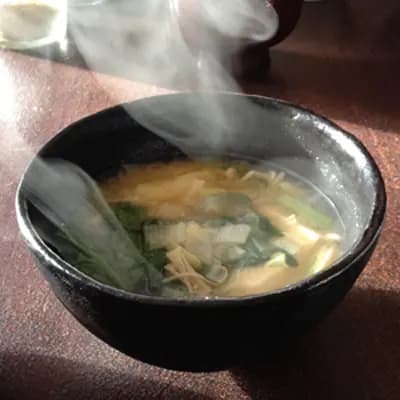
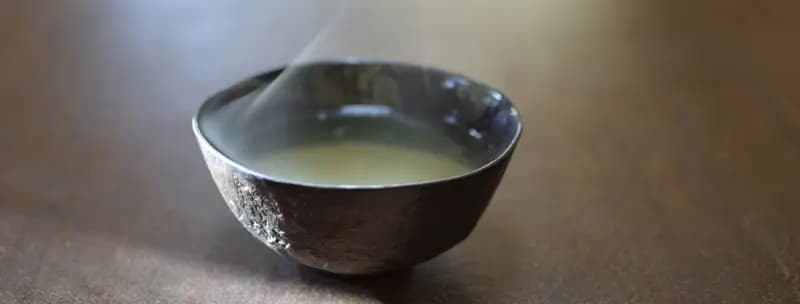
My personal bowl. Eating rice, then drinking tea. Not ceremonial matcha, just ordinary tea. A quiet moment of tea after my wife and children have headed out.